
Cargo Theft Has Gone Digital: What SMB Shippers Need to Know
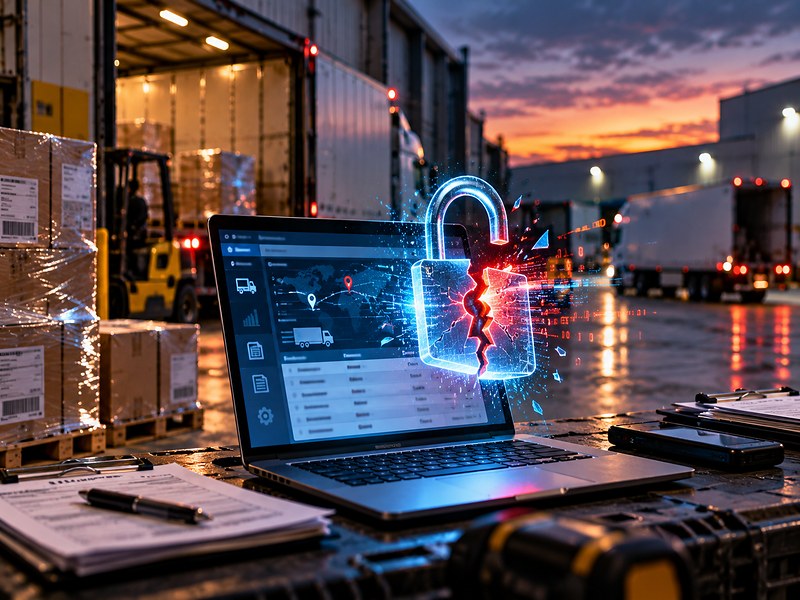
For years, the most familiar image of cargo theft was relatively straightforward: a loaded trailer disappears from a parking lot, a seal is broken, or freight is stolen from a warehouse or distribution center. Those risks haven't disappeared, but today's cargo thieves increasingly have another way to steal a shipment. Instead of physically breaking into a trailer, they may convince a shipper to hand the freight over willingly.
The FBI warned the transportation and logistics industry earlier this year about a surge in cyber-enabled strategic cargo theft. Criminal groups are compromising legitimate carrier and broker accounts, impersonating transportation companies, manipulating shipment information and redirecting freight to locations controlled by thieves. In some cases, everyone involved in the transaction may believe they're dealing with a legitimate company until the shipment fails to arrive.
For small and mid-sized businesses, this changes the way cargo security needs to be viewed. Protecting freight is no longer only about locks, fences, and secure parking. It's also about protecting information, verifying identities, and making sure the person picking up or redirecting a shipment is actually authorized to do so
Fewer Thefts Don't Necessarily Mean Less Risk
Recent cargo-theft data illustrates how the nature of the problem is changing. Verisk CargoNet documented 677 supply chain theft incidents across the United States and Canada during the second quarter of 2026, a 26% decline from the same period in 2025. Yet estimated losses more than doubled, rising from $135.7 million in Q2 2025 to $304.6 million in Q2 2026.
Part of the reason is that organized theft groups are becoming more selective. CargoNet found increased targeting of metals such as copper, aluminum, nickel, and tungsten, along with enterprise-grade computers, networking equipment, and other high-value technology. Some of these shipments can be worth millions of dollars while moving through the transportation system much like ordinary dry freight. CargoNet.
For SMB shippers, the lesson isn't that every load suddenly requires extraordinary security measures. It's that shipment value, commodity type, and the information surrounding a load can make certain freight particularly attractive to sophisticated thieves.
What Is Strategic Cargo Theft?
Traditional cargo theft usually requires criminals to physically locate and steal freight. Strategic cargo theft uses deception to gain control of a legitimate shipment.
The FBI says criminals have gained unauthorized access to broker and carrier systems through methods including spoofed emails, fake websites, and compromised carrier accounts. Once inside, they can impersonate legitimate companies, access load boards and shipment information, and manipulate transportation instructions. A criminal may then arrange for a real driver to pick up the freight while providing that driver with fraudulent paperwork or a different delivery destination.
That can make these schemes especially difficult to recognize. The truck may be real. The driver may be real. The carrier name may be familiar, and some of the account information may even be authentic. The problem is that the instructions controlling the shipment have been compromised.
A Familiar Name Isn't Enough Verification
One of the most important lessons from the FBI's warning is that familiar information shouldn't automatically be treated as proof of identity. A message may appear to come from a carrier or broker you've worked with before because criminals can compromise legitimate accounts or create domains and email addresses that closely resemble authentic ones.
That makes unexpected changes particularly important to verify. An email asking you to release freight to a different driver, change a delivery address, or follow new pickup instructions shouldn't necessarily be accepted simply because the message appears legitimate.
Some warning signs deserve additional scrutiny:
- A last-minute change to the driver, carrier or delivery location
- Email addresses or domains that are slightly different from those normally used
- Unexpected changes to established contact information
- Requests to download documents from unfamiliar or shortened links
- Pickup information that doesn't match the documentation provided
- Unusual urgency surrounding a change in shipment instructions
- Requests that don't follow your normal shipping procedures
None of these automatically means someone is attempting to steal freight. They are reasons to slow the process down long enough to independently verify the request.
Create a Verification Process Before You Need One
Many security procedures work best when employees don't have to invent them while a driver is waiting at the dock. Establishing a standard verification process gives warehouse and shipping personnel clear steps to follow when something doesn't look right.
The FBI recommends independently verifying shipment requests and pickups through secondary methods rather than relying solely on the communication that initiated the request. It also recommends maintaining documentation of the people and equipment involved in a shipment, including driver and vehicle information.
For an SMB shipping operation, practical procedures might include:
- Verify unexpected pickup or delivery changes using a previously established contact method.
- Confirm carrier and driver information before releasing higher-risk freight.
- Establish who within the company is authorized to approve changes to a shipment.
- Maintain accurate pickup records and shipping documentation.
- Train shipping personnel to question unusual requests rather than automatically accommodating them.
- Limit unnecessary distribution of detailed shipment information.
- Escalate discrepancies before freight leaves the facility.
The objective isn't to make every shipment difficult to release. It's to make sure an unusual request receives an appropriate level of scrutiny before custody of the freight changes.
Cybersecurity Is Now Part of Cargo Security
The growing role of compromised accounts also means that cargo security can no longer be separated entirely from cybersecurity. CargoNet reported that business email compromise remained a primary access point for sophisticated theft schemes during the second quarter of 2026. A compromised account can potentially expose shipment information, contact directories, communications and transportation-management tools, giving criminals information they can use to impersonate trusted parties or redirect freight.
Basic cybersecurity practices therefore have a direct connection to transportation security. Strong passwords, multi-factor authentication, employee awareness of phishing attempts and careful handling of unexpected links can help protect more than company data. They may also help protect the physical freight moving through your supply chain.
Businesses should also think carefully about who needs access to shipment details. Information such as commodity type, shipment value, pickup location, destination and timing can become useful intelligence in the wrong hands.
Don't Forget the Traditional Risks
The emergence of digital theft doesn't mean physical cargo security has become less important. Loaded trailers left unattended, unsecured yards and freight sitting through weekends or facility closures can still create opportunities for theft.
Holiday periods deserve particular attention because normal transportation routines can be disrupted. CargoNet's 2026 Labor Day advisory noted that thieves may take advantage of reduced staffing, longer dwell times and pressure on normal verification procedures. Its recent analysis also emphasizes that criminals can compromise legitimate communication channels, meaning theft can occur during tender, pickup or even after a legitimate carrier has taken possession of the freight.
Before weekends, holidays or extended closures, businesses should know where loaded freight will be located, how long it will remain unattended and who is responsible for it. Higher-value shipments may warrant additional planning rather than simply being loaded and parked until transportation resumes.
Know Which Shipments Deserve Extra Attention
Not every pallet requires the same security strategy. Just as transportation decisions should reflect the needs of an individual shipment, security measures should reflect the potential exposure.
Businesses can begin by identifying freight that may warrant additional controls based on factors such as:
- High shipment value
- Strong resale demand
- Electronics or technology products
- Metals and other targeted commodities
- Easily transferable or difficult-to-trace goods
- Long dwell times
- Weekend or holiday movement
- Unusual routing or multiple handoffs
CargoNet's 2026 data reinforces the importance of this risk-based approach. Through the first half of the year, reported incident volume had declined, but thieves were increasingly concentrating on high-value targets. CargoNet estimated cargo-theft losses exceeded $359 million during the first six months of 2026, while the average stolen commodity value had risen to approximately $341,518. Businesses shipping ordinary industrial components doesn't need to operate like it's transporting gold. It does, however, make sense to recognize when a particular shipment creates greater exposure and adjust procedures accordingly.
Security Is a Supply Chain Process
Cargo theft is often treated as something that happens somewhere else in the transportation process, after a shipment leaves the dock. Today's theft methods make that assumption increasingly risky because a successful scheme may begin with an email, compromised account or seemingly routine request long before anyone realizes freight is in danger.
For SMBs, effective cargo security doesn't require turning the shipping department into a security operation. It requires consistent processes, careful verification and good communication between the people arranging transportation, preparing freight, releasing shipments and receiving deliveries. Physical security, cybersecurity and transportation procedures increasingly need to work together.
At Amware, we help SMBs manage transportation as part of the larger supply chain, providing the technology, carrier access and logistics support needed to keep freight moving. As cargo-theft methods evolve, having clear transportation processes and greater visibility into your shipments can provide another important layer of protection.
The goal isn't to assume every unusual request is fraudulent. It's to make sure your team knows when something is unusual enough to verify before the freight leaves your control.