
Uncertainty Is Expensive: What Global Events Really Mean for Freight Costs
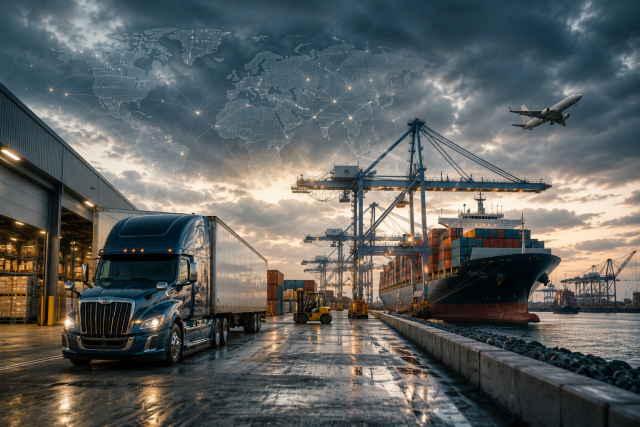
Turn on the news almost any day, and you'll likely hear about another event with the potential to disrupt global trade. Tariffs. Fuel prices. Conflicts in the Middle East. Port strikes. Droughts affecting major shipping canals. New trade agreements. Inflation. Interest rates.
For many business owners, those headlines raise an understandable question:
"How is this going to affect my shipping costs?"
The answer is rarely as simple as many expect. Transportation costs are influenced by a complex network of economic forces that extends far beyond the price of diesel fuel or the latest geopolitical headline. In fact, one of the biggest drivers of freight costs isn't any single event at all. It's uncertainty.
When businesses don't know what comes next, supply chains become more cautious. That caution carries a price.
Why Uncertainty Matters
Modern supply chains are built around planning. Manufacturers forecast production months in advance. Retailers estimate seasonal demand. Carriers determine how many drivers and trucks they'll need. Warehouses schedule labor, allocate storage space, and position inventory where it's expected to be needed. When markets are relatively stable, those decisions become easier. When uncertainty increases, planning becomes far more difficult.
Companies begin carrying additional inventory in case shipments are delayed. Importers accelerate purchases ahead of potential tariff changes. Manufacturers seek alternative suppliers. Transportation providers adjust capacity to prepare for shifts in demand.
None of these decisions are inherently bad. In many cases, they're necessary. But they all add cost somewhere within the supply chain.
Fuel Is Only One Piece of the Puzzle
Fuel prices receive plenty of attention because they're highly visible. When gasoline prices fall, many people naturally assume freight costs should decline as well. Transportation, however, doesn't work that way.
Fuel is only one component of the total cost of moving freight. Carriers must also account for labor, equipment purchases, maintenance, insurance, compliance requirements, financing costs, warehouse operations, and technology investments. Depending on market conditions, any one of those expenses can offset lower fuel prices.
Capacity also plays an important role. If available trucks become scarce because demand suddenly increases, transportation rates may rise even if diesel prices remain relatively stable. Likewise, rates can soften during periods of lower demand even when fuel prices remain elevated.
The relationship between fuel and freight costs is real, but it is rarely direct.
How Global Events Ripple Through the Supply Chain
Many businesses never import products directly, yet they can still feel the effects of disruptions happening thousands of miles away.
A conflict affecting international shipping lanes may increase ocean transit times. Importers respond by ordering products earlier than usual. Warehouses experience higher inventory levels. Domestic trucking demand shifts as cargo arrives in larger waves rather than on predictable schedules.
Similarly, new tariffs can cause companies to change suppliers, relocate manufacturing, or import inventory before new duties take effect. Those decisions affect warehouse capacity, trucking demand, and transportation pricing throughout the country.
Even weather events can have lasting consequences. Hurricanes may temporarily close ports. Drought conditions can restrict traffic through major shipping canals. Flooding or severe winter storms can interrupt rail and truck routes, forcing freight onto alternative transportation networks.
Each event creates a ripple effect that extends well beyond the region where it occurs.
What Should SMBs Actually Pay Attention To?
For small and mid-sized businesses, constantly reacting to every headline rarely leads to better decisions. Instead, it's often more productive to focus on the factors you can actually control.
Accurate demand forecasting helps reduce costly last-minute shipments. Maintaining appropriate inventory levels provides flexibility when disruptions occur. Diversifying suppliers can reduce dependence on any single region or transportation lane. Working with experienced logistics partners provides access to additional capacity and routing options when conditions change. Perhaps most importantly, businesses should avoid making major supply chain decisions based solely on short-term news cycles.
Markets have always experienced periods of uncertainty. While today's headlines may seem unique, supply chains have spent decades adapting to economic shifts, natural disasters, labor shortages, fuel volatility, and geopolitical events.
Resilience Is Becoming a Competitive Advantage
For many companies, the goal is no longer building the lowest-cost supply chain at all times. Instead, businesses are looking to build supply chains that can continue operating when conditions become unpredictable. That means improving visibility into inventory, developing more flexible transportation strategies, maintaining stronger relationships with logistics partners, and creating contingency plans before they're needed.
Companies that invest in resilience are often better positioned to respond quickly when markets change, allowing them to continue serving customers while competitors struggle to adjust.
Looking Beyond the Headlines
Global events will continue to influence transportation markets. New tariffs will be proposed. Fuel prices will rise and fall. Trade routes will shift. Weather will disrupt operations. Economic conditions will continue evolving.
While businesses can't control those events, they can control how prepared they are to respond.
At Amware, we help businesses navigate changing market conditions through integrated warehousing, transportation, and distribution solutions that provide greater flexibility, visibility, and confidence. Because while uncertainty may be unavoidable, being unprepared doesn't have to be.